
Here is the 30 second version. If your project involves one or two trades, no structural changes and no moved plumbing, a good handyman does it faster and cheaper. If it involves multiple trades working in sequence, permits, engineering or anything load bearing, you want a general contractor running the schedule. The expensive mistakes happen in both directions: hiring a GC to hang six doors, or hiring a lone handyman to build an addition. This guide draws the line clearly, and then covers the punch list strategy that quietly makes home sellers thousands of dollars in Lake County every month.
Handyman vs General Contractor: The Quick Comparison
| Handyman | General contractor | |
|---|---|---|
| Best for | Repairs, installs, punch lists, small remodels | Additions, gut remodels, structural work |
| Typical job size | $100 – $5,000 | $15,000 and up |
| Who does the work | The person you called | Subcontractors they schedule |
| Pricing | Hourly or flat per job | Bid with overhead and sub markup |
| Permits | Rarely needed for typical scope | Almost always part of the job |
| Timeline | Days | Weeks to months |
| Wrong hire looks like | Structural work with no oversight | $400 minimum to fix a door |
What Each One Actually Is in Illinois
A handyman is a skilled generalist who handles repairs and installations across trades: carpentry, drywall, tile, doors, fixtures, decks. Illinois has no statewide handyman license, so the real credentials to check are insurance, references and photos of finished work. What a handyman legally cannot do in Illinois is plumbing beyond simple fixture replacement, which state law reserves for plumbers licensed through the Illinois Department of Public Health, and serious electrical work, which villages restrict to licensed electricians. An honest handyman tells you this before you find out from an inspector.
A general contractor is a project manager with a builder’s brain. They price the whole scope, hire and sequence the plumber, electrician, framer, tile setter and painter, pull permits, meet inspectors and own the schedule. For that coordination they add overhead and typically 10 to 25 percent markup on subcontractors, which is money well spent on a twelve week remodel and money incinerated on a two hour repair.
If you want to understand what a real GC’s world looks like, Tom Silva’s story is a better education than most articles:
Five Jobs Where the Handyman Wins
- The punch list. Ten small repairs in one visit. A GC cannot price this profitably, a handyman lives here. Our handyman pricing guide shows exactly what these visits cost.
- Fixture swaps. Faucets, fans, lights, toilets, disposals, all same-location replacements.
- Surface repairs. Drywall patches, trim, caulk, grout, paint touch-ups, squeaky anything.
- Deck and exterior maintenance. Board replacement, railing tightening, staining, small rot repairs before they graduate. See our deck repair cost guide for that whole category.
- Rental turnovers. Landlords and property managers, this is the fastest way to get a unit rent-ready without coordinating four companies.
Five Jobs Where the General Contractor Wins
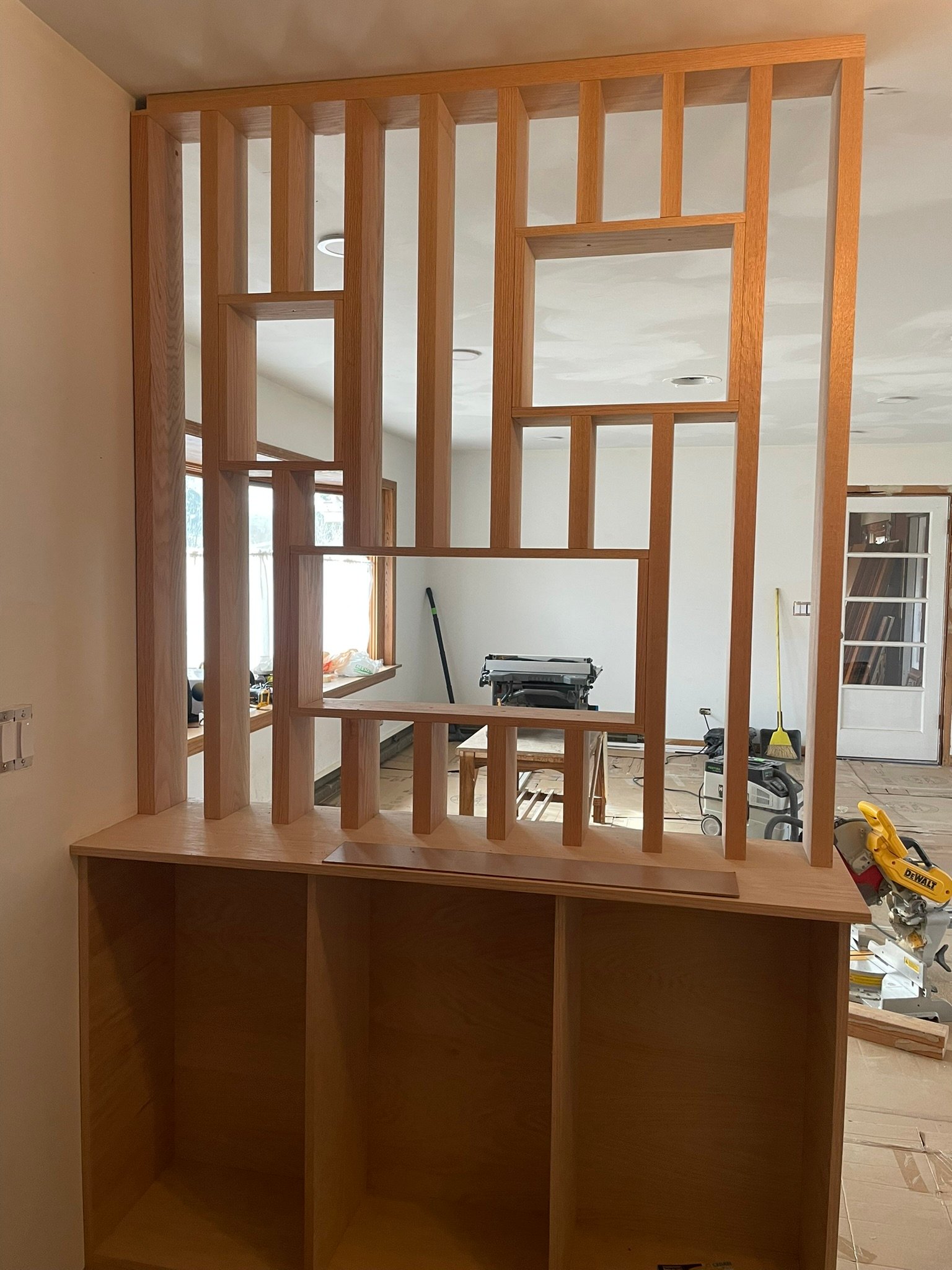
- Additions and structural changes. Anything touching foundations, beams or bearing walls needs engineering and a permit set.
- Full gut remodels. Kitchen down to studs with moved gas and plumbing is a sequencing project, not a repair.
- Basement finishing. Egress, insulation code, HVAC extension, three inspections minimum.
- Anything with an architect. If drawings exist, a GC should own them.
- Insurance restoration. Fire and flood work involves adjusters, scope documents and paper trails that GCs navigate daily.
The gray zone is the mid-size bathroom or deck project, and the honest answer there depends on scope, which is why we wrote a whole piece on when a bathroom remodel needs a permit in Lake County. Same-footprint updates sit comfortably in skilled-handyman territory. The moment walls move, you have entered GC country, and pretending otherwise is how projects end up on the news.
The Pre-Listing Punch List: Small Repairs That Sell Houses
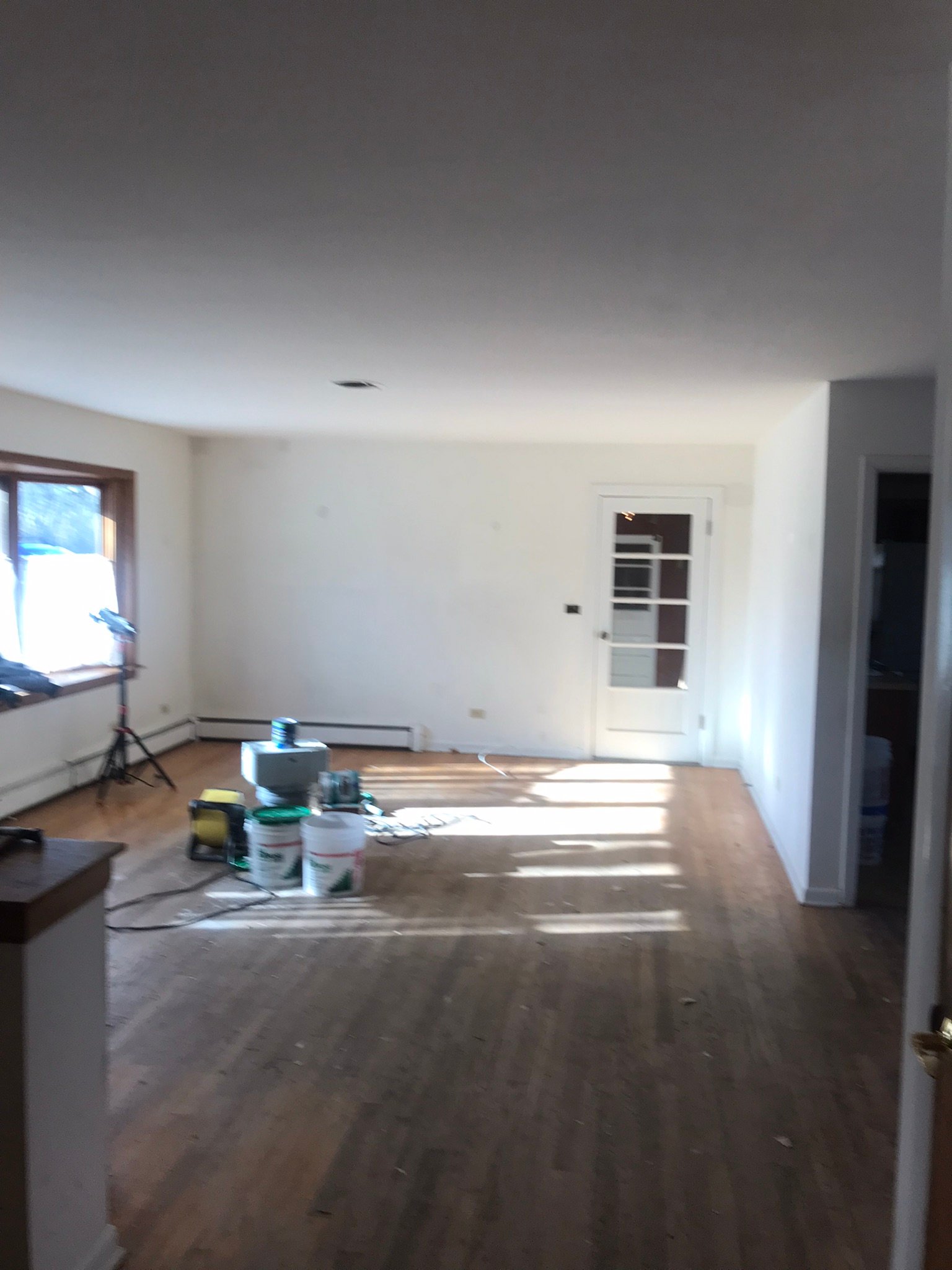
Now the part realtors already know. When a house goes on the market, buyers do not see one unpainted patch or one sticking door. They see deferred maintenance everywhere, and they subtract it from the offer with enthusiasm. The fix is a one or two day punch list visit before photos are taken, and it is the highest return-per-dollar work we do.
The pre-listing list that comes up on almost every house:
- Doors that stick, latches that miss, closet doors off track
- Fresh caulk lines in the kitchen and every bathroom, because buyers read old caulk as neglect
- Drywall dings and nail pops patched and painted
- Dripping faucets, running toilets, slow drains
- Loose railings, wobbly fence sections, one cracked deck board
- Exterior touch-ups where paint failed, before the inspector writes the word “rot” in a report. Our guide on spotting wood rot early is required reading before any listing.
Sellers spend three hundred dollars on doors and caulk and get it back ten times in the offers. Buyers cannot explain why the house feels cared for. We know why. It is the caulk.
Evgheni, owner of Real Construction
Squeaky floors deserve a special mention because every buyer walks the house listening. Ninety seconds per squeak, straight from This Old House:
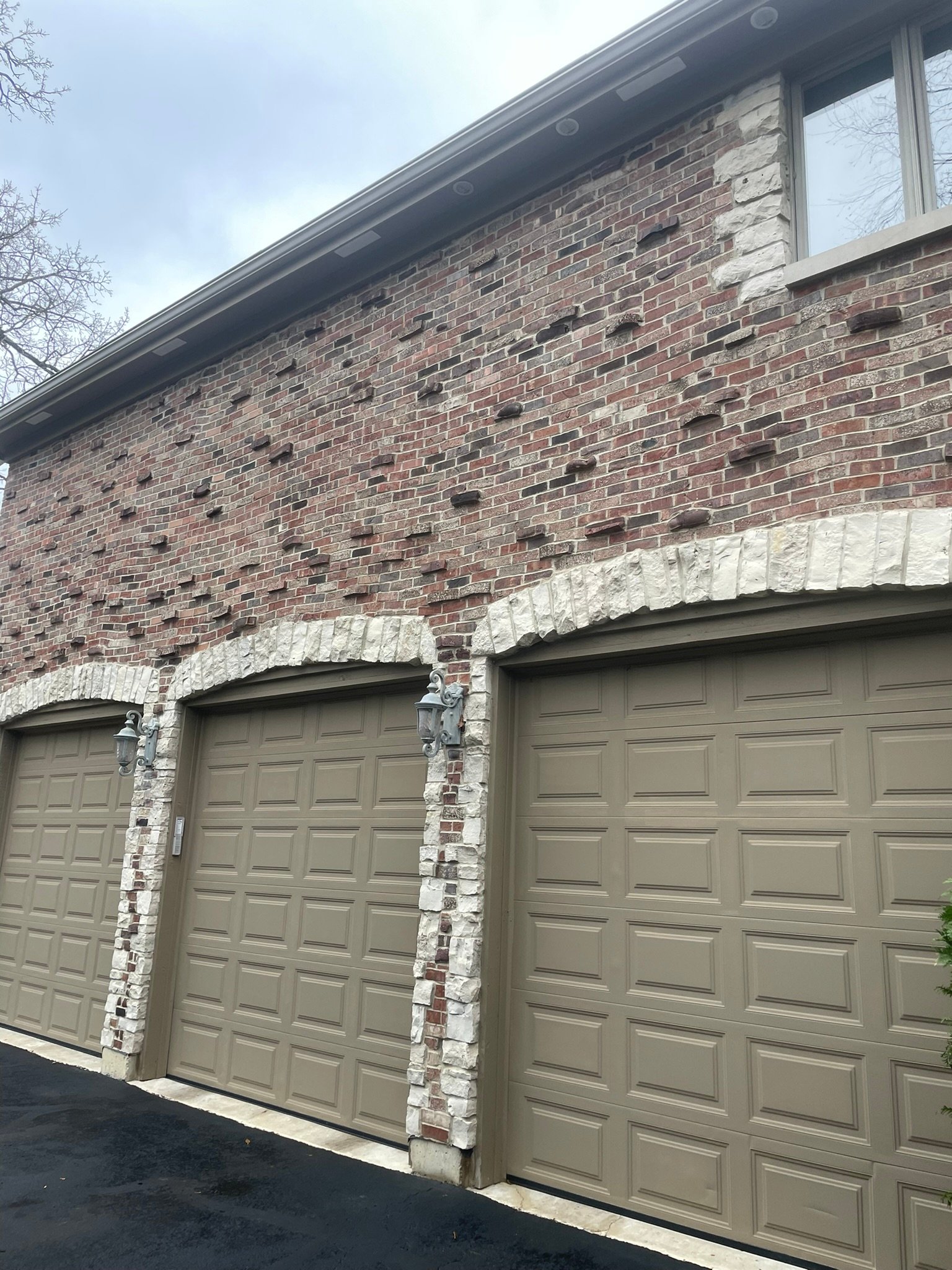
Do not forget the outside, because the showing starts at the curb. Power-washed siding, straightened shutters, painted trim and a garage facade that looks maintained set the tone before the front door opens. Buyers form the price in the driveway and spend the walkthrough defending it.
The Cost of Hiring Wrong, in Both Directions
Hiring too big: a homeowner we know requested GC bids to replace an exterior door and two rotten trim boards. Two companies never called back, the third bid $2,400 because their minimum crew day costs what it costs. The same scope as a handyman visit ran under $900 including the door. Nothing shady happened, the tool was just wrong for the screw.
Hiring too small: a lone operator took on a basement bathroom addition, no permit, no licensed plumber. The drain slope was wrong, sewage found the freshly finished floor, and the eventual fix involved a jackhammer, a real plumber, a retroactive permit and roughly triple the original quote. The first invoice was the cheapest part of the whole story.
Both failures trace to the same root: scope and hire did not match. Get the match right and both species of professional are excellent value.
The Other Punch List: After the Buyer’s Inspection
The second list arrives ten days after going under contract, when the buyer’s inspector produces forty photographed items and the buyer’s agent turns them into a repair request. Sellers have three moves: fix, credit or refuse. Credits sound easy but buyers mentally price repairs at retail plus fear, so a $150 fix often becomes a $500 credit request. Fixing the small stuff with receipts is usually the cheaper path, and it keeps the deal’s momentum. We do these inspection-response visits on tight timelines, because closing dates do not negotiate. Realtors in Lake County keep our number for exactly this week of the transaction, and we take a certain pride in being the least dramatic phone call of their month.
How to Vet Whoever You Hire
The checklist is the same for a handyman or a GC. Proof of insurance, sent without hesitation. A written price before work starts. References or reviews you can actually read, and a BBB profile without a horror section. The FTC’s guide on hiring a contractor adds the golden rule on payments: never pay in full up front, and be suspicious of anyone who only takes cash. For bigger scopes, confirm who pulls the permit, because a pro who asks the homeowner to pull it is transferring liability to your name while keeping the check.
The vetting checklist travels well. Homeowners outside Illinois use the same questions when hiring a remodeler. In Lancaster County, Pennsylvania, for example, a full-service renovation contractor like D&E Mako Renovation earns trust the same way any good contractor does, with licensing, references, a clear scope and a written estimate.
FAQ
What size company is Real Construction?
We live in the middle on purpose: bigger than one guy with a van, smaller than a GC with a trailer full of overhead. That is the size that answers the phone for a $250 repair and still delivers a full bathroom or deck restoration with licensed trades and permits handled. The middle is underserved in Lake County, and we like it here.
Can a handyman legally do a full bathroom remodel in Illinois?
A same-footprint remodel where plumbing fixtures stay put, yes, with a licensed plumber brought in for anything beyond fixture swaps. Moving drains or supply lines requires the licensed plumber to do that portion, and usually a permit. The good companies build this into the project instead of hoping nobody asks.
Is a handyman cheaper than a general contractor for the same small job?
Almost always, and it is not close. A GC carries overhead built for six-figure projects, so their minimum profitable job keeps rising. Small work priced through a GC either gets declined, delayed or marked up to survive. A handyman prices a $300 job as a $300 job.
We manage rental properties. Do you do recurring work?
Yes. Turnovers, inspection repairs, seasonal maintenance and tenant punch lists across Lake County. One contact, photo-based quotes, itemized invoices your owners can read. That workflow is described on our small jobs service page.
Tell Us the Job, We Will Tell You Who Should Do It
Send photos of your project and we will say plainly whether it is handyman work, GC work or licensed-trade work, even when that answer sends the job somewhere else. Real Construction serves Mundelein, Vernon Hills, Libertyville, Buffalo Grove, Waukegan and the rest of Lake County. Explore the full services page, then request a free estimate or call 224 313 2093. Realtors and property managers: mention the listing date and we will build the schedule around it.
Written by the Real Construction team from daily fieldwork in Lake County, Illinois. Last updated July 2, 2026.