
Short answer: if your bathroom remodel keeps every fixture in its current spot and only swaps like for like, you usually do not need a permit in Lake County. The moment you move or add plumbing, touch the electrical system beyond a simple fixture swap, or change any framing, you do. That line sounds simple, but it lands differently in every village, and the fines for guessing wrong arrive at the worst possible time, usually when you are trying to sell the house. Here is how it actually works in our county, from a crew that pulls these permits every month.
Permit or No Permit: The Quick Table
| Bathroom project | Permit needed? |
|---|---|
| Painting, new mirror, new accessories | No |
| New vanity or toilet in the same location | Usually no |
| New flooring over sound subfloor | Usually no |
| Faucet or showerhead replacement | No |
| Retiling a shower, same footprint | Depends on village |
| Tub-to-shower conversion | Yes, almost always |
| Moving a drain, sink or toilet | Yes |
| New electrical circuit, moved outlets, heated floor | Yes |
| Removing or altering any wall | Yes |
| Adding a bathroom where none existed | Yes, full permit set |
Treat the middle rows as a phone call, not a guess. Ten minutes with your building department beats ten weeks of unwinding a violation, and the person answering that phone is usually friendlier than their reputation.
Why the Answer Depends on Where Exactly You Live
Lake County has two permit worlds. If your home sits in unincorporated Lake County, permits go through the county itself, and the county publishes both its building permit requirements and a genuinely useful list of projects that never need a permit. Their early assistance line, 847-377-2600, will tell you exactly what your project triggers before you spend a dollar.
If your home is inside a village or city, which covers most of our clients in Mundelein, Vernon Hills, Libertyville, Buffalo Grove and Waukegan, your village building department makes the rules, and they do not all agree with each other. One village waves through a same-footprint shower retile, the next one wants a plumbing inspection because you will expose the valve. Same county, different paperwork. The county rules only apply to unincorporated addresses, which trips up homeowners with Mundelein mailing addresses whose houses technically sit outside village limits. Your property tax bill tells you which world you live in.
The Illinois Plumbing Rule Most Homeowners Have Never Heard Of
Illinois is one of the stricter plumbing states in the country. Under state law, plumbing work beyond basic fixture replacement must be performed by a plumber licensed through the Illinois Department of Public Health. That is not a village preference, it is state law, and it is why any tub-to-shower conversion or drain relocation on our projects has a licensed plumber on it. If a contractor shrugs at this rule, they are volunteering you for the violation, because the homeowner owns the problem after the van leaves.
What the Inspector Actually Looks At
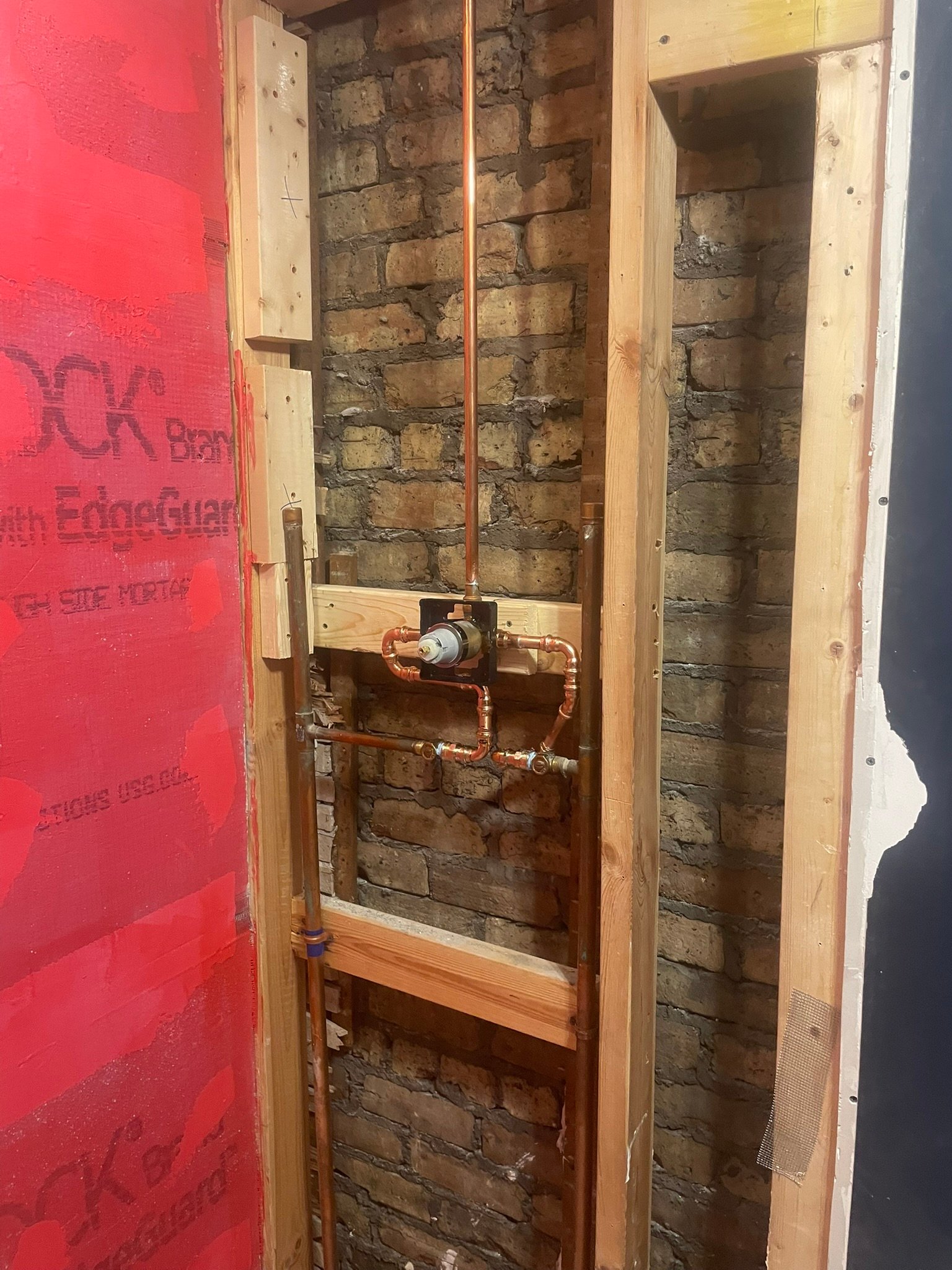
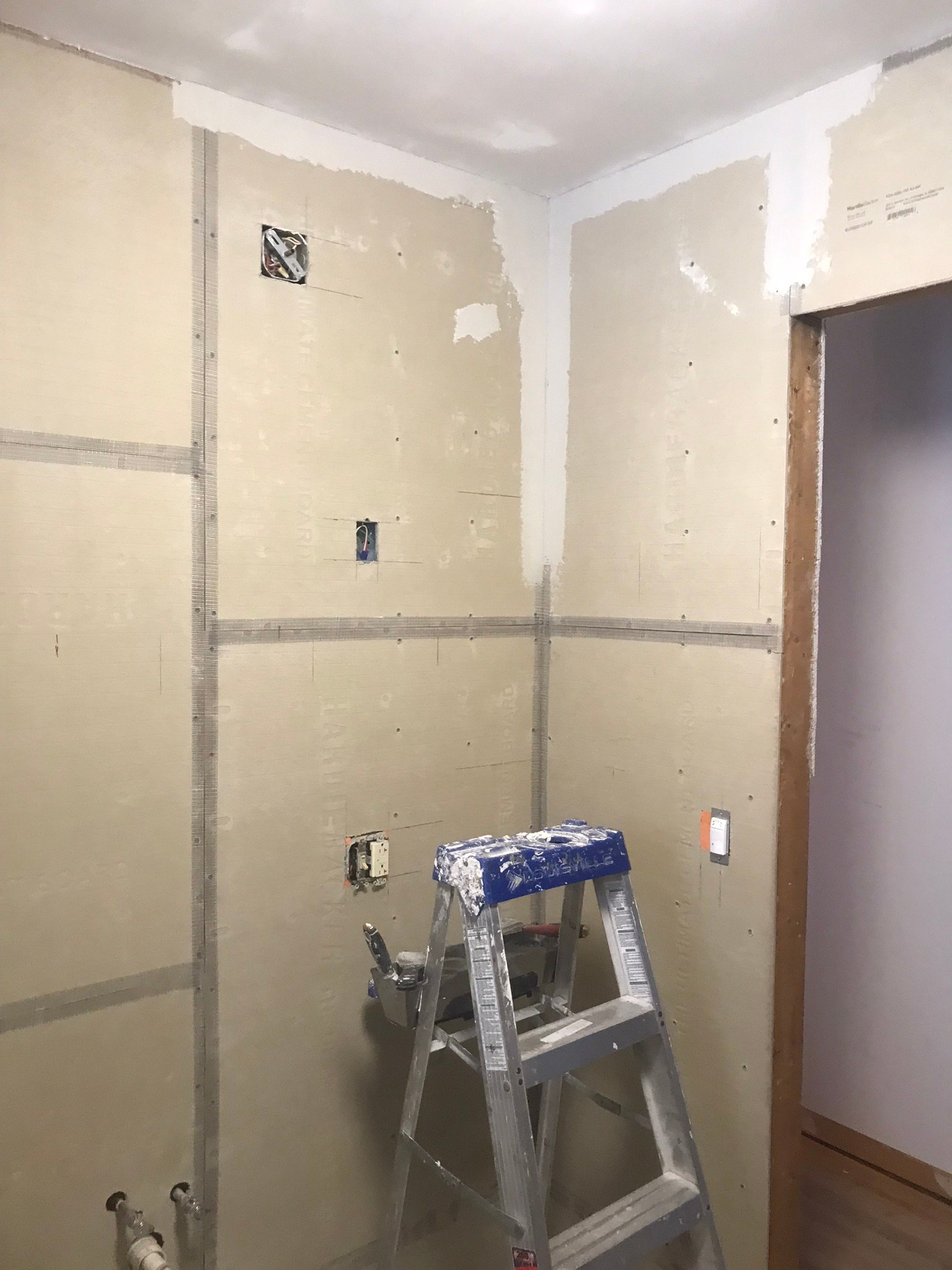
A permitted bathroom remodel typically gets two or three visits. The rough inspection happens with walls open: pipe sizing, venting, secure valve, correct wiring, GFCI protection where code requires it. The final inspection happens when everything works: water flows, drains drain, the fan vents outside instead of into the attic, outlets trip when tested. Some villages add a separate electrical rough. None of it is exotic, inspectors check the things that flood and burn houses, and honestly, we want the second set of eyes.
If you want to see what a homeowner-side permit application looks like from start to finish, this walkthrough is a solid 15 minute investment:
What Skipping the Permit Actually Costs
Nobody from the village patrols your bathroom. The unpermitted remodel problem arrives later, through one of four doors:
- The sale. Buyer inspectors flag remodels with no permit history, and buyers use it to renegotiate or walk. The listing agent will ask you about permits directly, and lying on disclosure forms is a lawsuit with a return address.
- The insurance claim. If unpermitted plumbing floods the ceiling below, your insurer gets very interested in who did the work and under what permit. “None” is an expensive answer.
- The neighbor. Village inspectors do respond to complaints, and a stop-work order freezes your half-done bathroom while retroactive permits crawl through at double fees.
- The next project. When you permit a future job, the inspector walks past the mystery bathroom. Now the old project joins the new invoice.
Retroactive permits exist, but they often mean opening finished walls so the inspector can see the rough work. Paying to demolish your own new tile is a unique kind of sadness. We have watched it happen, and we would not wish it on anyone’s grout lines. The math is brutal: a $200 permit skipped today can turn into a $2,000 wall-opening exercise five years from now, plus the retroactive fees, plus the delay on your closing date while the village works through its queue.
Permit Costs and Timelines in Lake County
For a typical bathroom remodel, expect the permit itself to run $100 to $500 depending on the village and project value, plus a week or two of review time for a straightforward interior remodel. Bigger scopes with plan review take longer. On our projects the permit line appears right in the quote: we prepare the paperwork, pull the permit, meet the inspectors and hand you the final approvals for your house file. Those approval records quietly become part of your home’s resale story, and buyers’ agents notice.
A permit is the cheapest insurance in the whole remodel. It costs less than the faucet, and it is the only line item that pays you back when you sell the house.
Evgheni, owner of Real Construction
What the Application Actually Requires
For a bathroom remodel, the permit packet is smaller than people fear. A typical village wants: the application form, a simple scope description, a sketch or floor plan showing what moves and what stays, the contractor’s insurance certificate, license numbers for the plumber and electrician if their trades are involved, and the project value for the fee calculation. That is an afternoon of paperwork for someone who does it monthly, and a lost weekend for someone doing it the first time. This is one of the quiet reasons hiring a crew that handles permits routinely costs less than it looks: nobody bills you for learning the form.
A few practical tips that smooth the process in every village we work in. Apply before demo, not after, because inspectors notice suspiciously fresh dust. Answer the plan reviewer’s questions the same day they ask, since response lag is where permit timelines actually die. And schedule the rough inspection a day or two ahead, because trades standing around waiting for an inspector is money evaporating in real time.
The permit office is not your enemy. The reviewer wants a clean file and a project that will not come back to haunt anyone. Hand them a complete packet and they become the fastest people in local government.
Evgheni, Real Construction
How This Plays Out on Real Projects
Our Mundelein shower remodel is a textbook case: same footprint, but the old valve and a lead pan came out, which meant plumbing work, which meant a licensed plumber and an inspection before the walls closed. Our Buffalo Grove small bathroom project shows the other path, where smart scope choices kept the work in fixture-swap territory. Both bathrooms came out beautiful. Only one needed paperwork, and knowing which is which before demo day is half the budget battle. Our full bathroom cost breakdown shows where the permit line sits among all the others.
Permit FAQ
Who is responsible for pulling the permit, me or the contractor?
Either can apply, but the working rule in our area: the one doing the work should pull it. A contractor who asks you to pull an owner permit for their work is quietly moving the liability to your name. That is a red flag with its own zip code. When we need trade permits, our licensed partners pull their own.
Do I need a permit to replace a bathroom exhaust fan?
A same-spot swap is usually permit-free. Cutting a new ceiling opening and running a new duct and circuit crosses the line in most villages. If your bathroom has no fan at all, adding one is the best permit money you will spend, and we say that as the people who see what no-fan bathrooms look like after ten years.
Does a permit raise my property taxes?
A standard bathroom remodel almost never changes your assessment. Assessors care about added square footage, added bathrooms and major additions, not new tile in the same footprint. The permit-tax fear mostly protects contractors who did not want inspectors around anyway.
Not Sure Which Side of the Line Your Project Is On?
Send us two photos and your address, and we will tell you whether your remodel needs paperwork in your village, no charge, no visit needed. Real Construction remodels and repairs bathrooms across Mundelein, Vernon Hills, Libertyville, Buffalo Grove, Waukegan and the rest of Lake County. Smaller fix instead of a remodel? That is our interior repair service, and our handyman pricing guide covers what those visits cost. Start with a free estimate, browse the services page, or call 224 313 2093.
Written by the Real Construction team. Permit rules summarized from Lake County and Illinois sources as of July 2026, always confirm specifics with your local building department. Last updated July 2, 2026.