
Wood rot is a fungus that eats the structure of your house while looking, for a surprisingly long time, like nothing at all. It needs three things to thrive: wood, oxygen and moisture above roughly 20 percent. Illinois delivers that moisture nine months a year. The good news is that rot always leaves clues before it becomes a four figure problem, and you can check for most of them in ten minutes with a screwdriver and a flashlight. Here is what our crew looks for on every inspection in Lake County, what repairs really cost, and when a $40 tube of epoxy honestly beats a $400 replacement.
What Wood Rot Actually Is
Wood rot is decay caused by fungi that digest the fibers that give lumber its strength. The type that scares carpenters most is often called dry rot, which is a terrible name, because no rot is dry. Every case starts with water: a clogged gutter, a missing bead of caulk, sprinklers hitting the siding every morning at 6 a.m. The fungus just moves in afterward and starts eating. The International Association of Certified Home Inspectors has a good technical overview of how wood decay works, but the practical takeaway is simple: find the water first, then fix the wood. Replace a rotted board without fixing the leak and you have scheduled the same repair again in three years.
7 Early Signs of Wood Rot on Siding and Decks
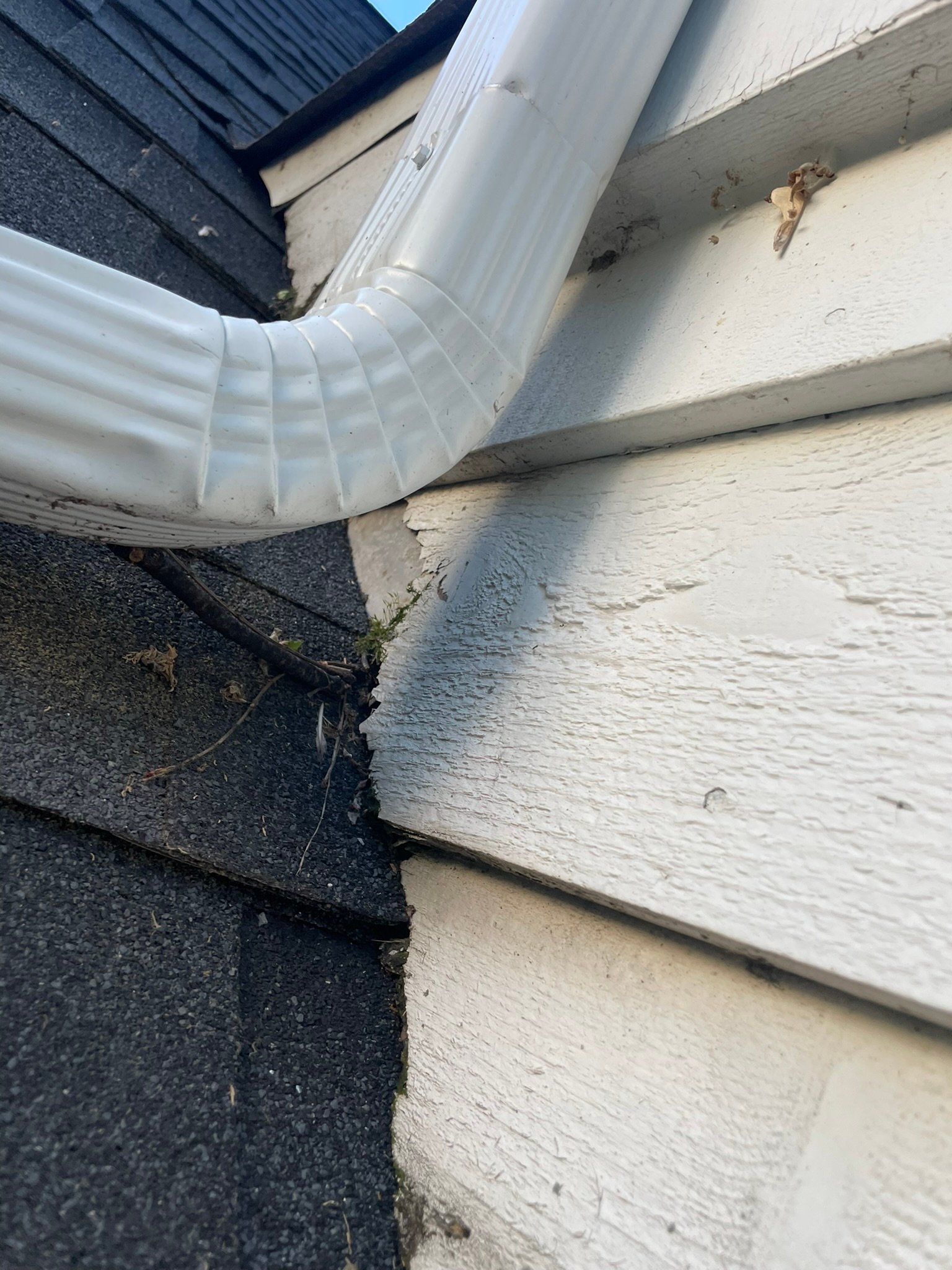
- Paint that bubbles or peels in one spot while the rest of the wall looks fine. Paint fails first where the wood behind it stays wet.
- Dark or greenish staining below windows, at trim joints, or under the downspout.
- Soft spots underfoot on deck boards, especially near the house and at the bottom of stairs.
- A musty, damp smell near the base of posts or in the corner of a porch.
- Fasteners backing out. Rotting wood loses its grip on screws and nails, so railings and boards suddenly feel loose.
- Cracked, cubed surface texture that looks like alligator skin. That pattern is classic advanced decay.
- Wood that stays dark two days after rain when everything around it has dried out. Healthy wood sheds water, rotting wood drinks it.
The 30 Second Screwdriver Test
Take a regular flathead screwdriver and press the tip into the wood at an angle, using moderate pressure. Healthy wood pushes back and the tip barely dents it. Rotting wood lets the tip sink in with a soft, corky feel, sometimes with almost no resistance at all. Test the ugly spots plus the places rot loves even when they look fine: post bases, stair stringers, the bottom edge of siding boards, window sills and anywhere two pieces of wood meet horizontally. If the screwdriver disappears past the tip, stop poking and start dialing.
Wet Rot vs Dry Rot: Which One Do You Have?
Wet rot stays where the water is. It makes wood dark, spongy and swollen, and it stops spreading the moment you cut off the moisture source. Most siding and deck rot in Illinois is wet rot, which is genuinely good news, because the repair is local and predictable.
Dry rot is the more ambitious cousin. The fungus builds gray cotton-like strands that carry water with them, so it can march into wood that was perfectly dry, crossing framing bays and even masonry along the way. The wood turns brittle and cracks into little cubes. Dry rot repairs are bigger because we have to chase the fungus past the visible damage, remove everything it touched plus a safety margin, and treat the surrounding area. If you see cubed, crumbly wood with gray or white strands, skip the DIY plans and get a professional opinion this week. The difference in repair cost between early and late dry rot is usually one zero.
Where Rot Hides on Illinois Homes
After hundreds of repairs around Mundelein, Vernon Hills and Libertyville, we could draw you a treasure map. Rot picks the same spots on almost every house:
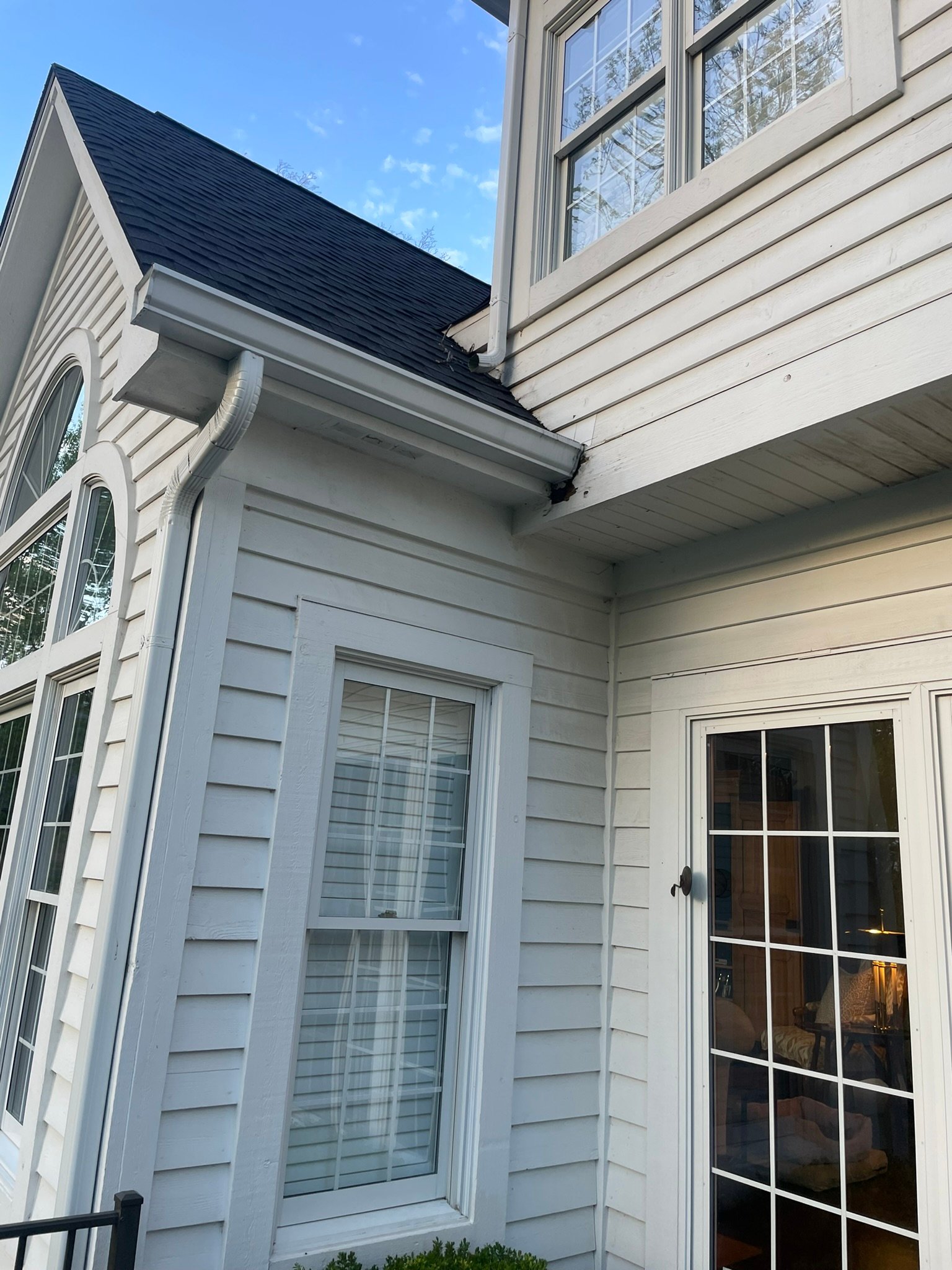
- Soffits and fascia under any gutter that ever clogged. Water pours behind the gutter and soaks the wood from the top.
- Deck post bases, especially posts set directly on or into concrete, where water wicks up from below.
- The ledger board where a deck attaches to the house. Hidden by decking, holding the entire structure. We cover this one in detail in our deck repair cost guide.
- Window sills and door trim on the south and west sides, where sun bakes the caulk until it cracks.
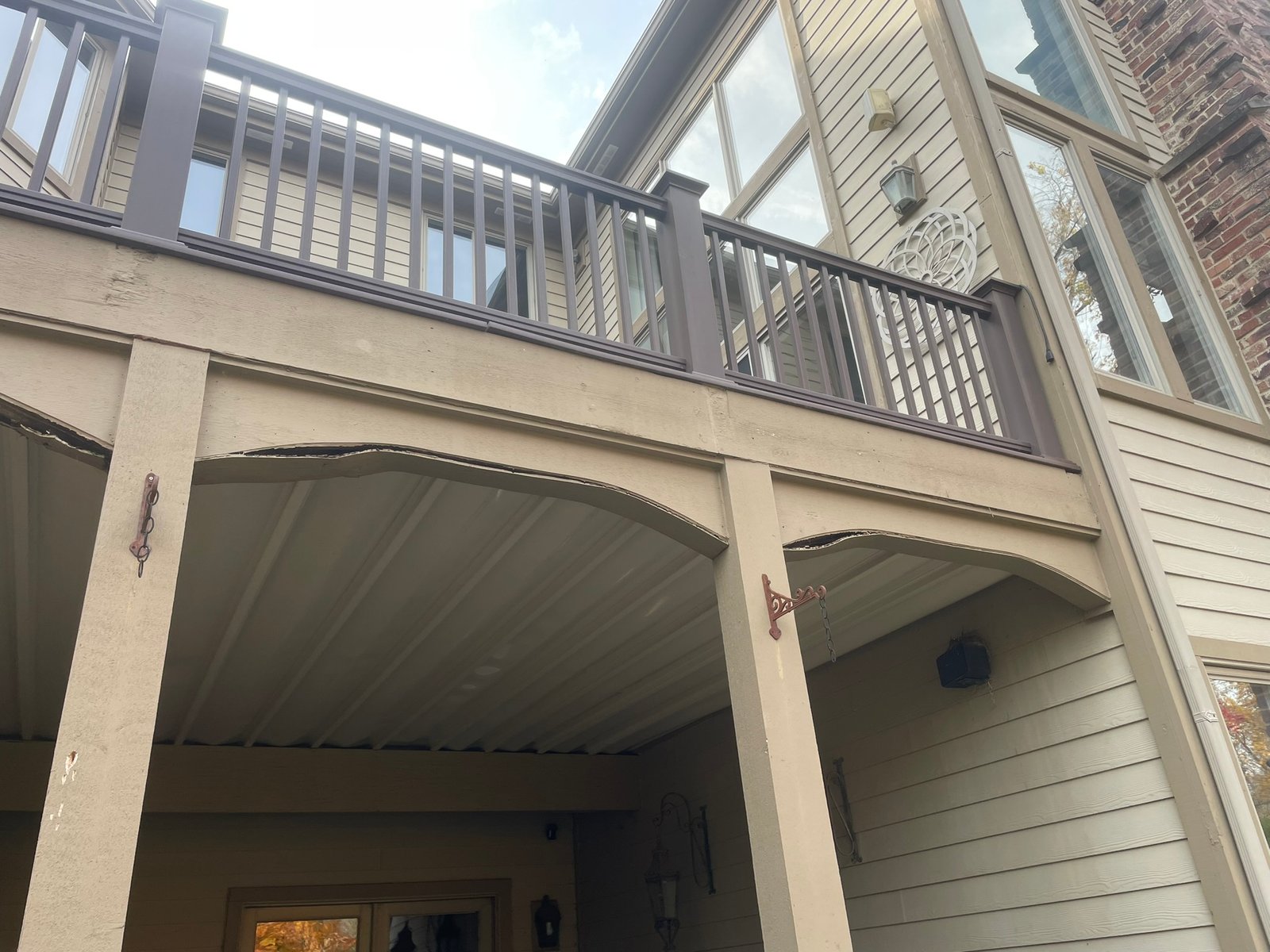
- Balcony and porch fascia with peeling paint, like the arched balcony we restored in one of our exterior projects.
- Siding near downspouts, AC units and sprinkler heads. Anywhere water hits wood on a schedule.
Tom Silva from This Old House walks through how to tell surface damage from structural rot in this video, and his conclusions match what we see in the field every week:
How We Fix Wood Rot: Epoxy or Replacement
There are exactly two honest ways to fix rot, and anyone selling you a third is selling paint.
Epoxy repair works when the rot is cosmetic or shallow and the piece is hard to replace: a window sill profile, a decorative post, historic trim. We dig out everything soft, treat the cavity with a wood hardener, then rebuild the shape with two part epoxy filler. Done right, the repaired section is harder than the original wood. Here is the classic This Old House demonstration of the technique:
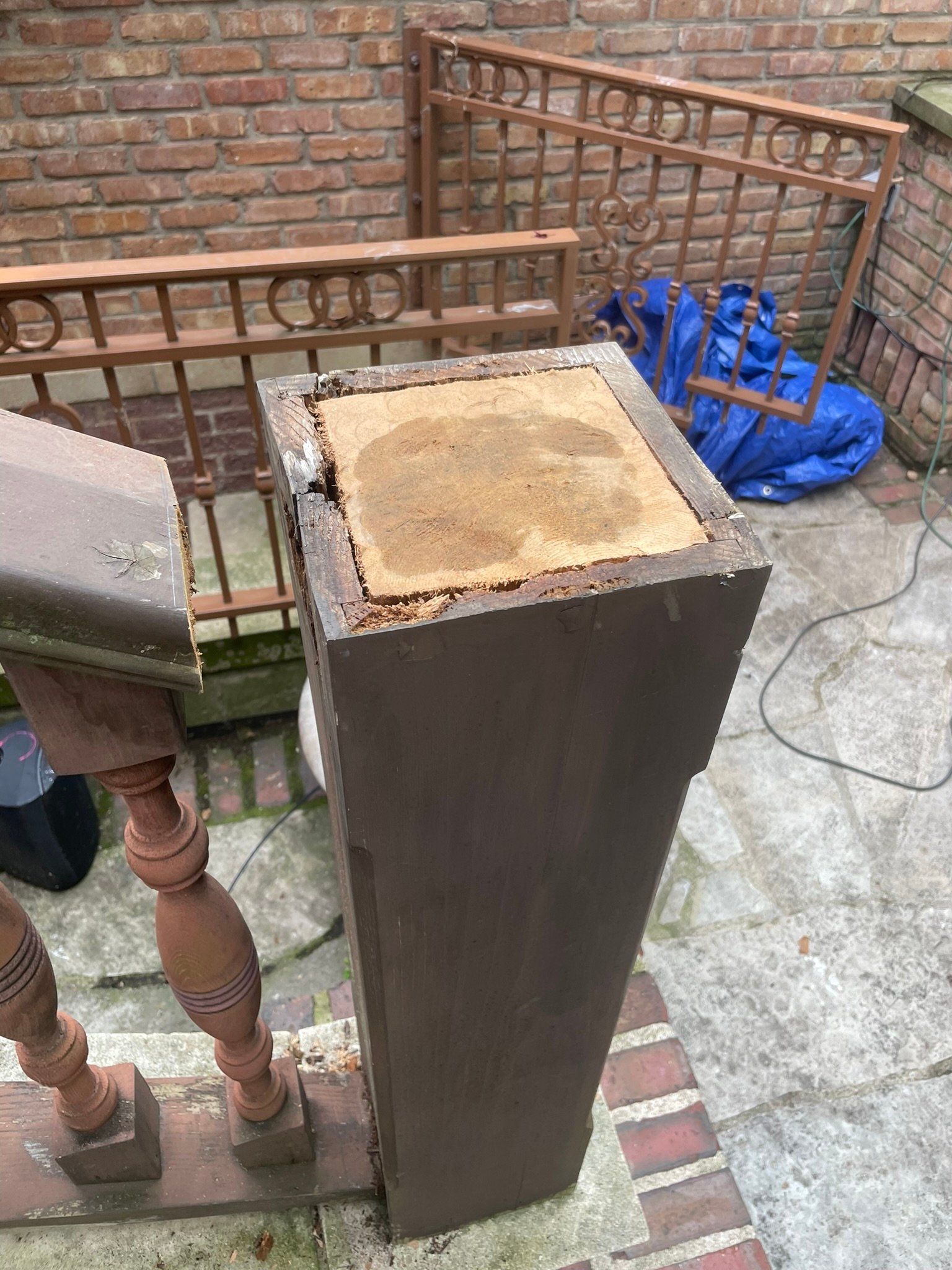
Replacement is the only option once rot goes structural: posts, joists, stringers, load bearing trim, anything holding weight. Epoxy on a structural member is makeup on a broken leg. When we rebuilt the railing on a brick portico project, the newel post looked solid from three sides. The fourth side crumbled like coffee cake. We cut it open, replaced the core with new cedar, and matched the original profile.
The most expensive words in exterior carpentry are “it’s probably fine.” Every big rot job we do started as a small spot somebody watched for two or three years. Wood rot never gets bored and it never gets full.
Evgheni, owner of Real Construction
What Wood Rot Repair Costs in Lake County
| Repair | Typical cost (2026) |
|---|---|
| Epoxy repair of a sill or trim section | $150 – $400 |
| Replace a run of exterior trim or fascia | $300 – $900 |
| Replace a section of siding with paint match | $400 – $1,200 |
| Rebuild a rotted post or railing section | $350 – $1,000 |
| Soffit repair with ventilation fix | $300 – $800 |
| Structural deck repairs (joists, ledger) | $500 – $2,500+ |
Structural framing work follows the American Wood Council DCA 6 deck construction guide, the same standard local inspectors use. If the rot turns out to be widespread, sometimes restoration still wins over replacement. Our Ipe deck restoration in Vernon Hills is a good example: rotten frame sections rebuilt, original hardwood saved, and the owner kept a deck that would cost five figures to duplicate today.
How to Keep Rot From Coming Back
- Clean gutters twice a year. Number one cause of the repairs we do, by a comfortable margin.
- Keep sprinklers off the siding. Grass needs water, cedar does not.
- Re-caulk trim joints when the old bead cracks, which in our climate means checking every spring.
- Keep 6 inches between soil or mulch and any wood.
- Fix drainage that lets water sit against the foundation. The EPA has solid guidance on moisture and mold control that applies to the outside of the house too.
- Repaint or re-stain before the finish fails, not after. Paint is not decoration, it is a raincoat.
Homeowners apologize when they call us about one soft window sill. Do not apologize. That call costs you a few hundred dollars. The call three years later starts with a four.
Evgheni, Real Construction
Wood Rot FAQ
Can wood rot spread from one board to another?
Yes. The fungus sends out threads that travel across and through adjacent wood, and some species can even transport their own moisture into dry lumber. That is why we always open up the area around visible rot instead of patching only what shows. Rot is social, it never lives alone.
Is wood rot covered by homeowners insurance?
Usually not, because insurers treat it as gradual damage and a maintenance issue. If the rot resulted from a sudden covered event, like a burst pipe, the resulting damage may be covered. Check your policy before assuming either way.
Can I just paint over wood rot?
You can also put a band-aid on a cavity. Paint seals the moisture inside and the rot keeps eating in the dark. Every painted-over rot spot we open is worse than the owner expected. Fix first, paint second.
Suspect a Soft Spot? Get It Checked
We inspect siding, decks, soffits and trim across Mundelein, Vernon Hills, Libertyville, Buffalo Grove, Waukegan and all of Lake County. You get photos of what we find, a written price, and a straight answer on whether epoxy, replacement or plain caulk is the right fix. Small repairs are welcome, that is exactly what our handyman and small jobs service exists for. See the wood rot repair service page for the full scope, browse finished work in the gallery, or request a free estimate. Call 224 313 2093 and tell us where the screwdriver sank in.
Written by the Real Construction team from our own repair projects in Lake County, Illinois. Prices current as of July 2026. Last updated July 2, 2026.